corsican-hellebore
Affiliate Disclosure: As an Amazon Associate, we earn commissions from qualifying purchases made through links on this page. This comes at zero extra cost to you and helps support our hands-on review process.
When the last of the autumn leaves have fallen, it’s tempting to shut the back door and forget about the garden until spring. The borders can look empty and the days are undeniably short and grey. But for the savvy gardener, this is when some of the most resilient and rewarding plants come into their own. One of the best for beating the winter blues is the Corsican Hellebore.
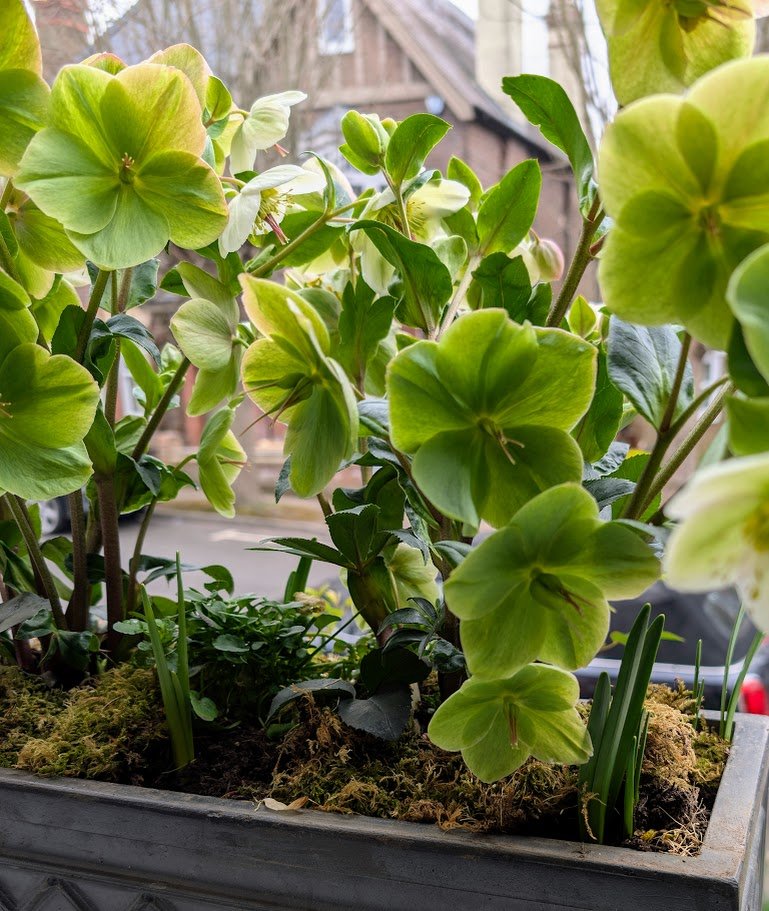 Hellebore Bloom 2
This isn't just any winter flower. Corsican Hellebore (Helleborus argutifolius) is a bold, architectural plant that provides much-needed structure and a surprising burst of colour when you need it most. Here at Mrs Browns, we're firm believers that a garden should earn its keep all year round. The Corsican Hellebore does exactly that, and with very little fuss.
Why Helleborus argutifolius is a Must-Have
Unlike its more demure cousin, the Christmas Rose (Helleborus niger), the Corsican Hellebore is no wallflower. It’s a robust, shrub-like perennial that commands attention. Its most striking features are the thick, leathery, and distinctly serrated leaves. These are a deep, glossy green, often with a hint of blue-grey, and are divided into three spiny-toothed leaflets. This dramatic foliage forms an impressive clump that remains evergreen, providing a strong structural backbone to your garden beds even when everything else has died back.
But the real show begins in late winter and continues through to late spring. From as early as January, thick stems emerge, bearing large, open clusters of cup-shaped flowers. The colour is a sophisticated and subtle pale apple-green, sometimes flushed with a delicate hint of pink. These nodding blooms are a vital early food source for brave bees and other pollinators venturing out on milder winter days.
What we love most is its resilience. As its name suggests, this hellebore hails from the Mediterranean islands of Corsica and Sardinia. This heritage gives it a remarkable tolerance for a wide range of conditions. It can handle full sun (a rarity for hellebores!), copes well with drier soils once established, and is hardy enough to withstand the unpredictable British winter.
A Deeper Dive: Understanding the Corsican Hellebore
- Family: Ranunculaceae (the buttercup family)
- Common Names: Corsican Hellebore, Holly-Leaved Hellebore
- Native To: Corsica and Sardinia
- Plant Type: Evergreen Perennial
- Hardiness: H5 (Hardy in most of the UK, down to -15°C)
- Mature Size: Can reach up to 1.2 metres (4ft) in height and spread, forming a substantial clump.
- Flowers: Clusters of pale green, cup-shaped flowers from late winter to late spring.
- Foliage: Evergreen, leathery, glossy, serrated tripartite leaves.
- Awards: It holds the prestigious Award of Garden Merit (AGM) from the Royal Horticultural Society (RHS).
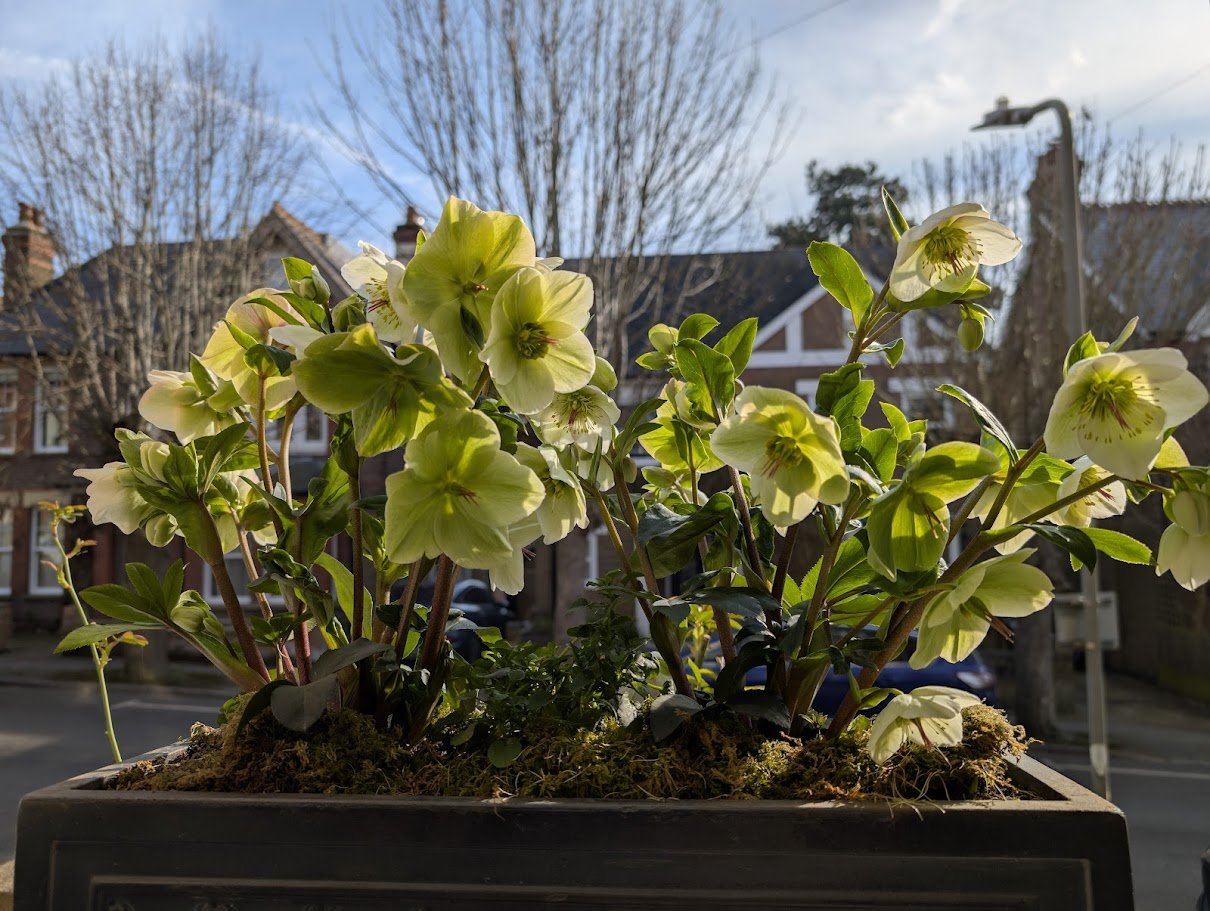 Corsican Hellebore foliage and flower structure
Finding the Perfect Spot: Planting & Growing Conditions
One of the greatest attributes of Helleborus argutifolius is its versatility. While many other hellebores demand shady, woodland-like conditions, the Corsican Hellebore is far more accommodating.
- Sunlight: It will thrive in anything from full sun to partial shade. In fact, a position in full sun often encourages more prolific flowering and a more compact, sturdy habit.
- Soil: The key is good drainage. Like most Mediterranean plants, it detests sitting in cold, waterlogged soil, which can lead to root rot. It’s perfectly happy in most soil types, including chalk, clay, loam, and sand, as long as the drainage is adequate.
- Positioning: Its bold, architectural form makes it a fantastic focal point. Use it in:
- Mixed Borders: Plant it towards the middle of a border where its evergreen foliage can provide a backdrop.
- Gravel Gardens: Its tolerance for drier conditions makes it a perfect candidate for a Mediterranean or gravel garden scheme.
- Containers: While it can get large, a young plant will happily grow in a generous pot for a couple of seasons.
- Underplanting: It looks wonderful underplanting deciduous trees or shrubs.
Care and Maintenance: A Low-Maintenance Star
Once established, the Corsican Hellebore is wonderfully self-sufficient. However, a little bit of care will ensure it looks its best year after year.
- Watering: Water regularly during its first year to help it establish a strong root system. Once mature, it is remarkably drought-tolerant.
- Feeding: A top-dressing of a balanced granular fertiliser in the spring is all it needs. You can also apply a generous mulch of well-rotted compost around the base of the plant.
- Pruning: The flowering stems that emerge in winter will die back after they have finished blooming in late spring or early summer. To keep the plant looking tidy and to encourage fresh, new growth, prune these old, flowered stems right down to the ground.
- A Word of Caution: Like all hellebores, all parts of Helleborus argutifolius are toxic if ingested, and the sap can be a skin irritant. It’s always wise to wear gloves when pruning or handling the plant.
Potential Problems
This is a refreshingly trouble-free plant:
- Hellebore Leaf Spot: A fungal disease that can cause brown or black spots on the leaves. The best course of action is to remove and destroy any affected leaves as soon as you see them.
- Self-Seeding: This hellebore can self-seed quite freely. If you don’t want them, simply hoe them off or pull them up when they are small.
Our Verdict: An Unbeatable Winter Champion
In a world of fleeting floral fancies, the Corsican Hellebore is a plant of substance and permanence. It offers so much for so little effort. Its bold, evergreen structure provides a constant presence, while its cool, elegant flowers are a beacon of hope in the darkest months.
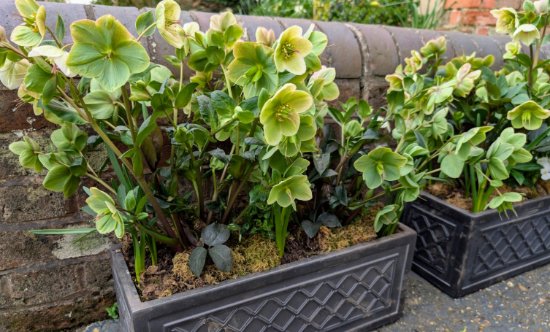 Hellebore Bloom 3